Furniture Removal and Collection in Builders Waste: Optimizing a Safer, Cleaner Future
Introduction to Furniture Removal in Builders Waste
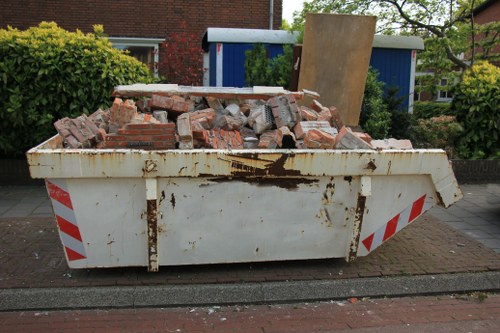
Furniture removal and collection in builders waste is an essential service that bridges the gap between construction sites and waste management. In today's rapidly evolving construction industry, managing the remnants of building projects—including discarded furniture and other bulky items—is a crucial process. As urban areas expand and modern building techniques evolve, the need to maintain clean, safe, and environmentally sound spaces increasingly drives the demand for professional removal services. By integrating sustainable methods with efficient practices, businesses can transform what might be considered unwanted waste into resources that benefit communities and the environment.
Across cities and regions, builders waste has become a focal point for innovative waste management strategies. The integration of furniture removal processes in construction projects not only guarantees the safe disposal of potentially hazardous materials but also promotes recycling and reuse. This dual approach not only turns waste into a valuable resource stream but also emphasizes the importance of structured waste collection and disposal. As more contractors, developers, and homeowners become aware of available services, the deployment of expert removal teams grows, ensuring that all types of unwanted furniture and construction remnants are handled with care.
In an industry that is constantly evolving, the strategic removal of furniture from builders waste has proven to be a game changer. Local authorities and stakeholders alike are placing emphasis on reducing landfill burdens while fostering environmentally friendly alternatives. Professionals in this field are not only trained in physical removal techniques but are also equipped with knowledge regarding sustainability practices and regulatory compliance. This article presents a deep dive into the many facets of furniture removal and collection in builders waste, offering insights and practical steps for both businesses and homeowners alike.
The Importance of Strategic Furniture Removal

The effective removal and collection of furniture in the context of builders waste play an essential role in transforming waste management practices. As construction projects yield not only building materials but also outdated or unwanted furniture, a well-organized removal process becomes vital. Experts in the field emphasize that dismantling bulky items safely and efficiently can prevent hazards, reduce clutter on job sites, and maintain an organized working environment. This sustainable removal process directly impacts the overall project schedule and increases efficiency—both critical factors in the competitive builders industry.
From an environmental standpoint, strategic furniture removal helps mitigate the negative effects of waste accumulation. By responsibly recycling or repurposing discarded furniture, waste management teams can significantly reduce the burden on landfills. This process often involves separating recyclable elements such as metal, plastic, and wood, thereby contributing to a circular economy. Beyond its environmental benefits, the process also yields economic advantages by offering opportunities for material reuse and by reducing cleanup costs on-site. Smart waste management is thus a cornerstone of modern construction practices, balancing both ecological and financial responsibilities.
Moreover, implementing efficient furniture removal practices has garnered attention among business owners and city planners. Effective removal not only aligns with regulatory guidelines but also enhances the public image of construction and demolition projects. By ensuring that every discarded piece of furniture is handled with precision, waste management teams are setting an example on how to combine modern technology with manual efficiency. Businesses that invest in such processes not only comply with current regulations but also contribute to long-term urban sustainability. Contact us today to learn more about integrating these practices into your next project and see how every removal counts!
Effective Methods and Processes for Furniture Collection

To ensure a smooth process in furniture removal from builders waste, industry professionals have developed streamlined methods that integrate the latest technology and practical know-how. One approach is to segment the removal process into well-defined phases which include planning, execution, and follow-up. In the planning phase, a detailed assessment of the site is conducted, identifying all pieces of furniture and determining the safest method for removal. This stage involves developing a strategic plan that may include the following key steps:
- Site Evaluation: Assessing the environment and the types of waste materials present.
- Resource Allocation: Determining the manpower and equipment needed for safe removal.
- Scheduling: Coordinating removal activities to minimize disruption to ongoing processes.
The execution of these steps is where the real work begins. Efficient process management demands that teams adhere to safety guidelines and regulatory standards while working swiftly and accurately. Detailed procedures for disassembling larger furniture items, coupled with the use of specialized tools, ensure that each piece is removed without causing damage to the surrounding structure or endangering workers. In this phase, technology plays a crucial role: digital checklists and real-time monitoring help managers track progress and make on-site adjustments when required.
Detailed Step-by-step Process
Within the execution phase, a methodical approach is recommended.
Planning Phase
marks the inception of removal where assessments and permits are obtained. Followed by theExecution Phase
, where the physical removal and collection of furniture are carried out with precision. Each step involves careful coordination and collaboration among team members, ensuring that the process remains both safe and efficient. This step-by-step breakdown not only highlights the technical aspects of the removal process but also stresses the importance of timely communication among all parties involved.Safety, Regulation Compliance, and Environmental Impact
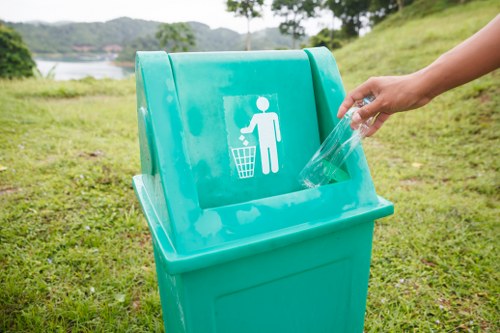
Safety remains a paramount concern in every aspect of furniture removal and builders waste collection. The entire process is built around ensuring that workers, occupants, and the surrounding community remain unharmed. Strict compliance with local and national safety regulations is a fundamental component of the removal process. Workers are provided with the appropriate personal protective equipment (PPE), and meticulous training ensures that each procedure is executed with minimal risk. Employers often establish comprehensive safety protocols and conduct frequent audits to verify that every removal operation adheres to the highest safety standards.
Regulatory compliance is not just about ensuring safety—it also plays an integral role in protecting our environment. Modern waste management practices aim to reduce the negative impacts of waste on natural resources by promoting recycling and energy recovery. Furniture removal teams are trained to segregate hazardous materials from recyclables, facilitating effective waste recycling channels. This organized segregation means that less waste ends up in landfills and more materials are repurposed effectively. The incorporation of eco-friendly practices in builders waste collection has become a critical benchmark for industry success.
For businesses, adopting these standards is no longer optional but a necessity. Municipal bodies are increasingly enforcing rules to ensure that waste is managed in an environmentally sound manner. As a result, companies are finding innovative ways to reduce their waste footprint through strategic furniture removal. Homeowners and business managers alike are encouraged to prioritize sustainable practices when commissioning removal services. A combination of advanced technology, regular staff training, and thorough inspection processes all contribute to a method that not only meets but often exceeds regulatory requirements.
Maximizing Efficiency in Builders Waste Collection

The future of builders waste management lies in harnessing innovation and maximizing efficiency in every stage of the removal process. As technology advances and environmental concerns reach an all-time high, companies are investing heavily in smart systems that integrate data analytics, automation, and improved logistical operations. The application of these state-of-the-art techniques ensures that the collection of unwanted furniture is executed with minimal disruption, high accuracy, and maximum resource recovery. Future trends point towards the use of integrated sensors and GPS tracking to monitor waste accumulation and removal in real time.
Alongside technology, the human factor remains critical. Trained professionals with extensive field experience drive the removal and collection process. They are equipped with the latest tools and protective gear, ensuring that no missteps occur. Emphasis on continuous education and professional development supports the teams in understanding new methodologies and adapting to the ever-evolving landscape of builders waste management. In addition, businesses adopting these advanced practices are better positioned to handle increased volumes of waste while simultaneously enhancing overall service quality. This dual commitment to technology and training creates a resilient foundation for future developments in the industry.
In conclusion, the integration of strategic and efficient methodologies in furniture removal from builders waste is an evolving field that offers immense benefits for both the environment and the economy. By embracing advanced technology, adhering strictly to safety and regulatory compliance, and fostering community engagement, businesses can pave the way for a cleaner, safer future. Book your service now to experience the advantages of a professional waste management system that prioritizes your safety and the environment. Taking these steps today can ensure a sustainable tomorrow, where waste is minimized and every removed piece of furniture is a step towards a greener planet. Contact us today and join the movement towards responsible waste management and smart resource recovery.