Complaints Procedure — Builders Waste London
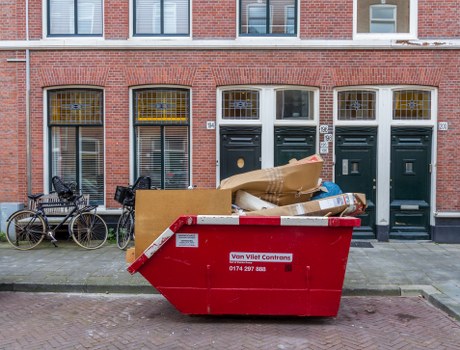 This document sets out the formal complaints procedure for clients and stakeholders of Builders Waste London and associated construction waste services. It aims to ensure every concern is handled promptly, consistently and fairly. If you believe a service, collection or waste management decision has not met expected standards, this procedure explains how to raise an issue, how it will be assessed and the typical timescales for resolution.
Our complaints framework applies to all aspects of builder's waste in London operations including delivery, collection, on-site handling and documentation. We seek to resolve matters at the earliest stage through clear communication and investigation. When an initial discussion cannot resolve the concern, the formal stages described below are available to ensure an impartial review and appropriate corrective action.
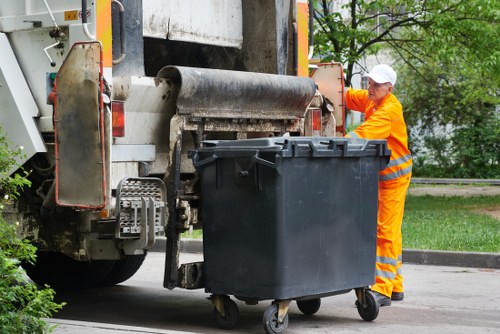 All complaints should be made in writing or recorded using the available channels set out in accompanying policy documents. A clear outline of the concern, relevant dates, job references and a description of the expected outcome will help speed the investigation. The business treats every complaint as a priority and will acknowledge receipt within a defined period, assign responsibility and begin fact-finding.
Informal Resolution and Initial Assessment
Most matters can be addressed informally with the operative or team responsible for the service. The initial assessment will involve reviewing job notes, driver or operative statements and any photographic or documentary evidence related to the construction waste London activity. The aim is to reach an agreed outcome within a short timescale through direct discussion and practical remediation where appropriate.
Where an informal approach is not successful, the complaint will progress to a formal investigation. At this stage an appointed officer will compile a factual summary, identify any breach of policy or procedure and propose remedial actions. All actions are recorded. Transparency and consistency are maintained throughout the process.
During the formal stage, the business may consult third parties such as site managers or subcontractors who were involved in the original service. Evidence is reviewed objectively and decisions are based on documented facts. Reasonable steps will be taken to protect confidentiality and to ensure an unbiased outcome.
Formal Investigation Process
 Upon escalation, the formal investigation will include: collecting statements, reviewing service logs and assessing compliance with relevant operational standards for builders' waste London operations. The appointed investigator will issue a written response that explains findings and any corrective steps. This response aims to be clear, proportionate and focused on preventing recurrence.
Key elements of the formal review will typically include:
- Examination of site records, manifests and disposal documentation.
- Interviews with personnel involved in the task.
- Consideration of remedial measures, including compensation or corrective work when appropriate.
Decisions arising from the formal investigation will be communicated in writing, with an explanation of the rationale and any commitments to change. Where systemic issues are identified, a plan to address procedural weaknesses will be developed and monitored.
Appeals and Independent Review
If the complainant is not satisfied with the outcome of the formal investigation, there is a right to request an internal appeal. The appeal is overseen by a senior manager who was not involved in the original decision. The appeal stage focuses on whether the previous investigation was thorough, impartial and consistent with published policies.
The appeal will be acknowledged and a further review completed within a stated period. The appeal decision is final within the organisation’s internal process, but complainants retain the right to seek independent review through appropriate external regulators or dispute resolution bodies where applicable to construction waste handling and environmental regulation.
 Throughout appeals, the principles of fairness and proportionality are applied. Records of every stage are maintained so trends can be identified and used to improve service delivery and worker training in relation to builder waste London responsibilities.
![A blue industrial skip overflowing with mixed waste materials, including black plastic bags, cardboard boxes, and bulky household items, situated on a gravel and dirt roadside near a wooded area. The waste extends slightly beyond the top of the skip, with some debris spilling onto the ground around it. Behind the skip, there is a line of green trees and bushes under a clear, light blue sky, indicating a natural environment adjacent to a rural or suburban roadside. The scene reflects improper rubbish disposal, which alternative rubbish removal services like Builders Waste London aim to address, especially in areas near [POSTCODE] and [TOWN]. The gravel surface and surrounding vegetation suggest the location is outside an urban centre, where illegal dumping or unregulated waste collection may occur. The lighting is natural with minimal shadow, highlighting the contrast between the waste and the greenery, emphasizing the importance of professional rubbish removal services for cleanliness and environmental protection.](/pub/_photos/rubbish/f1344274432.jpg) Remedial Actions and Outcomes: where a complaint is upheld, possible remedies include corrective on-site work, adjustments to invoices, refunds for demonstrable losses or process improvements to prevent repetition. Remedies are proportionate to the nature and severity of the issue and are documented clearly.
Remedial Actions and Outcomes: where a complaint is upheld, possible remedies include corrective on-site work, adjustments to invoices, refunds for demonstrable losses or process improvements to prevent repetition. Remedies are proportionate to the nature and severity of the issue and are documented clearly.
All complaints, regardless of outcome, contribute to continuous improvement. Analysed data informs operational changes, staff training and risk mitigation measures. The business uses complaint trends to refine policies covering construction debris removal, recycling and lawful disposal practices.
The complaints procedure is reviewed periodically to reflect legislative updates, operational learning and stakeholder expectations. Changes are incorporated to strengthen accountability and to maintain high standards in builders waste management across our services.
Recording and retention: every complaint file includes the original submission, correspondence, investigation notes, final determination and any action tracker. Records are retained in line with internal retention schedules and data protection obligations. Access to these records is managed to protect privacy while allowing necessary oversight.
Escalation thresholds are defined for matters involving health and safety, environmental risk or regulatory breach. Such issues prompt rapid escalation to senior management and may trigger immediate remedial action independent of the standard timelines to protect people and the environment.
Commitment: the organisation is committed to handling complaints professionally, learning from each instance and ensuring service excellence in all aspects of builders waste removal and associated operations. Parties raising a complaint can expect a fair process and a reasoned response based on the evidence gathered.