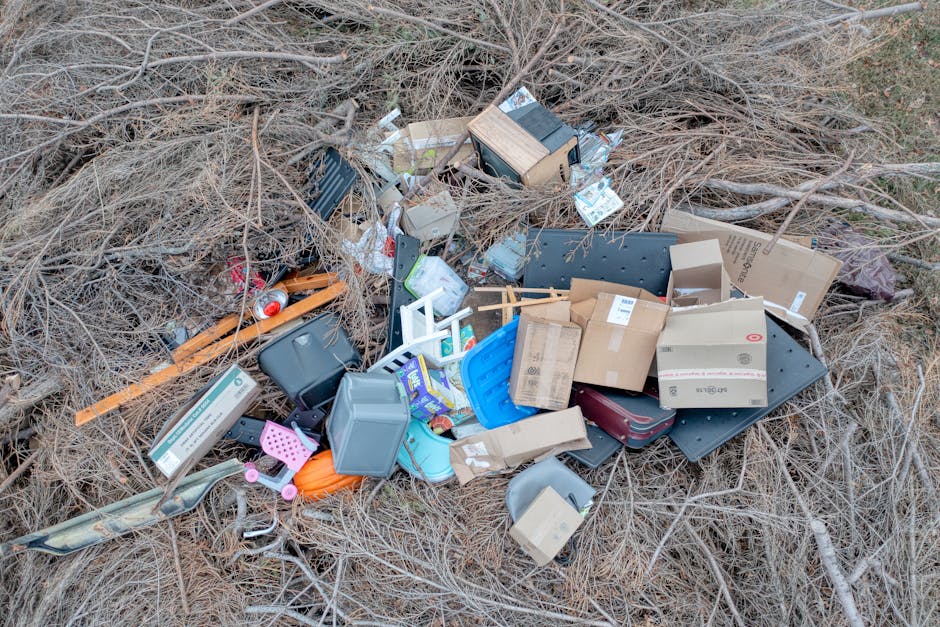
Why Illegal Dumping Costs You More: Common Misconceptions
Illegal dumping can look like the cheaper option in the moment. A skipped council booking, a "quick favour" from a mate with a van, or a pile of rubbish left on the edge of a site can feel like a neat shortcut. But the real bill often arrives later, and it is usually bigger than people expect. In this guide to Why Illegal Dumping Costs You More: Common Misconceptions, we unpack the hidden costs, the mistakes people make, and the practical reasons lawful disposal usually wins out once you look at the full picture. Truth be told, the cheap option is often the expensive one.
If you are weighing up rubbish removal, trying to understand what happens when waste is fly-tipped, or simply want to avoid a nasty surprise, this article will walk you through it in plain English. You will see how costs build up, where people get misled, and what a better, safer approach looks like in real life.
Table of Contents
- Why Why Illegal Dumping Costs You More: Common Misconceptions Matters
- How Why Illegal Dumping Costs You More: Common Misconceptions Works
- Key Benefits and Practical Advantages
- Who This Is For and When It Makes Sense
- Step-by-Step Guidance
- Expert Tips for Better Results
- Common Mistakes to Avoid
- Tools, Resources and Recommendations
- Law, Compliance, Standards, or Best Practice
- Options, Methods, or Comparison Table
- Case Study or Real-World Example
- Practical Checklist
- Conclusion
- Frequently Asked Questions
Why Why Illegal Dumping Costs You More: Common Misconceptions Matters
The main reason this topic matters is simple: illegal dumping rarely saves money in the long run. People tend to focus on the immediate drop-off cost, not the chain reaction that follows. A dumped mattress, builders' waste, broken furniture, or mixed rubbish can trigger removal charges, fines, complaints, delays, and even harm to your reputation if the waste is linked back to you or your business.
In our experience, the most common misconception is that "out of sight" means "problem solved." It does not. Waste has a habit of turning up again, sometimes literally. A dumped load can be traced, reported, or investigated. Even where enforcement does not happen, there are still indirect costs: staff time, lost access, unhappy neighbours, blocked driveways, missed deliveries, or a site that cannot move forward until the mess is cleared.
Another overlooked point is that waste is not just waste. Different materials have different handling needs. A bag of household rubbish is one thing. A mixed pile containing plasterboard, paint tins, rubble, a fridge, or a sofa is another story entirely. If those items are dumped improperly, the clean-up can become more complex, and complexity means cost. Simple as that.
There is also a fairness issue. Councils, landowners, businesses, and residents often end up paying for someone else's shortcut. That creates a knock-on effect across the system, from clearance budgets to local enforcement work. Nobody wants to be the one funding a mess they did not make.
Key takeaway: illegal dumping may look cheaper on day one, but the real cost often shows up as clean-up charges, wasted time, legal risk, and avoidable stress.
How Why Illegal Dumping Costs You More: Common Misconceptions Works
Illegal dumping works by shifting the burden from the person creating the waste to someone else. That someone else might be a council, a landlord, a business owner, a neighbour, or the landowner where the rubbish was left. On the surface, the dumper avoids disposal fees. But the system rarely lets that be the end of the story.
Here is how the cost pattern usually unfolds:
- Waste is removed from a property, site, or vehicle without using a lawful disposal route.
- The rubbish is left somewhere else, often a lay-by, alley, verge, car park, alleyway, or private land.
- The affected party discovers the waste and has to report it, secure it, or arrange removal.
- Collection, labour, transport, and disposal charges begin to stack up.
- Extra costs appear if the waste is hazardous, bulky, mixed, contaminated, or difficult to access.
That is the practical flow. But there is another layer people miss: risk. A load that seems harmless may contain sharp items, damp materials, concealed broken glass, or electrical equipment. If someone handles it badly, the cost is not just financial. It can become a safety issue too.
There is also a common misunderstanding about "free" disposal. A friend offering to "take it away" may not be free at all if the load ends up fly-tipped and traced back to you. And yes, it happens more often than people think. Bit of a headache, frankly. If you hand waste to someone, you should be confident they are authorised to carry and dispose of it properly.
For homes, common trouble spots are attic clear-outs, sofa removal, mattress disposal, garden waste, and after-move rubbish. For businesses, the problems usually involve office clearance, commercial waste, packaging, refurbishment debris, and site waste. If you are planning a bigger clearance, pages like home clearance, office clearance, and builders waste clearance can help you think through the lawful disposal route that fits the job.
Key Benefits and Practical Advantages
Choosing proper waste disposal is not just about avoiding trouble. It actually gives you better control. That matters whether you are clearing a flat, managing a renovation, or keeping a commercial site tidy.
1. Predictable costs
Lawful disposal gives you a clearer idea of what you are paying for: labour, loading, transport, treatment, and disposal. That is a lot easier to budget for than a surprise fine, repeat clearance, or time lost dealing with a complaint.
2. Less disruption
If waste is handled properly the first time, you are not dealing with a second visit, a blocked access point, or the awkward moment when a neighbour asks whose pile of rubble is sitting by the bins. Been there, and nobody enjoys it.
3. Better safety
Professional handling reduces the chance of injuries from lifting, broken materials, contaminated items, or awkward heavy loads. This is especially relevant for furniture, white goods, builders' waste, and mixed rubbish.
4. Better for your reputation
For landlords, trades, offices, and businesses, clean waste management sends a good signal. It tells people you are organised and responsible, not cutting corners. That counts for more than many realise.
5. Easier compliance
When waste is transferred and disposed of correctly, you are less likely to end up explaining yourself later. That peace of mind is worth something. Quite a lot, actually.
If your main concern is keeping disposal simple, lawful, and efficient, services such as rubbish removal and waste disposal are usually a better place to start than trying to improvise with a pile of bags and good intentions.
Who This Is For and When It Makes Sense
This topic is relevant to more people than you might think. Illegal dumping is not just a "big city problem" or something that only affects industrial estates. It touches homes, landlords, trades, shops, offices, and even people doing a simple declutter after a move.
- Homeowners and tenants who need to clear bulky items or unwanted clutter.
- Landlords and letting agents dealing with property left full after a tenancy ends.
- Builders and tradespeople who need regular site clearance and responsible waste handling.
- Businesses and offices disposing of desks, chairs, packaging, and general rubbish.
- Managing agents and property owners who need fast removal to keep a site safe and presentable.
- People dealing with inherited property or probate clearances where there may be a large amount of mixed waste.
It makes sense to take the lawful route whenever waste is bulky, mixed, awkward to move, or likely to need careful disposal. That includes items like beds, fridges, sofas, and renovation waste. For those jobs, dedicated services such as mattress disposal, fridge disposal, and sofa removal can be far more practical than trying to shift everything yourself.
It also makes sense if you are short on time. Time is money, as the old line goes, and on clearance jobs that line is annoyingly true.
Step-by-Step Guidance
If you want to avoid the hidden costs of illegal dumping, it helps to approach disposal in a structured way. Here is a straightforward process that works for most households and businesses.
Step 1: Identify exactly what needs removing
Start by listing the items. Separate bulky pieces, general rubbish, electricals, heavy materials, and anything potentially hazardous. A mixed pile is usually more expensive and harder to handle than a sorted one.
Step 2: Decide what can be reused, recycled, or donated
Not everything needs to go straight to disposal. Furniture in reasonable condition, for example, may be suitable for reuse. Sorting early can reduce waste volume and make the job less costly.
Step 3: Check access and lifting conditions
Think about stairs, narrow halls, parking, and whether the waste is in a basement, loft, or upper floor flat. If access is awkward, the labour involved will usually rise. That is not a trick, just the reality of carrying a wardrobe down three flights of stairs.
Step 4: Use a lawful collection or clearance option
Choose a disposal method that matches the load. Council collections may be suitable for some bulky items, while dedicated waste removal is often better for larger, mixed, or time-sensitive jobs. For broader collection needs, pages like bulky waste collection, waste collection, and bulk waste collection are useful comparison points.
Step 5: Ask the right questions before booking
Check what is included, what types of waste are accepted, whether loading is included, and how the waste will be processed. The cheapest quote is not always the best value if it excludes labour or disposal fees.
Step 6: Keep records where needed
If you are a business or landlord, keep a basic record of what was removed and who took it. That small habit can save a lot of trouble later.
Step 7: Review what caused the waste problem in the first place
If dumping or surplus waste keeps happening, look at the source. Is the team ordering too much? Are tenants leaving items behind? Is the site missing a regular clearance plan? Fixing the pattern is usually cheaper than cleaning the same mess over and over.
Expert Tips for Better Results
Here are a few practical tips that make waste disposal smoother and less costly.
- Group waste by type. Mixed loads are more awkward to sort and can increase handling time.
- Take photos before collection. This helps with quotations and avoids misunderstandings.
- Move items to an accessible point where safe. It can reduce labour time, but only if it does not create a hazard.
- Be honest about weight and contents. Understating the load usually leads to surprises. Nobody wants that moment.
- Plan around access times. If parking, loading bays, or restricted hours apply, sort that out early.
- Keep hazardous or suspicious items separate. Do not mix them into a general rubbish pile.
One small but important point: if a provider sounds vague about how waste is handled, ask more questions. A good service should be able to explain collection, sorting, and disposal in plain language. If they cannot, that is a warning sign, not a quirk.
For homeowners or landlords working through a fuller property job, house clearance, property clearance, and flat clearance can be sensible options when the waste problem is bigger than one bin run.
Common Mistakes to Avoid
Most expensive waste mistakes start with a tiny bit of optimism. "It'll be fine." "We'll sort it later." "Someone can just take it." Then later arrives.
- Assuming the cheapest option is the cheapest overall. If it leads to repeat handling, complaints, or penalties, it is not cheap anymore.
- Giving waste to an unverified carrier. If they dump it illegally, your name may still be dragged into the mess.
- Mixing everything together. Recycling opportunities disappear, and processing becomes more difficult.
- Leaving waste outside a property without a plan. That can attract more rubbish and create an eyesore very quickly.
- Ignoring bulky item rules. A sofa or mattress is not the same as a bag of kitchen waste.
- Forgetting about access and labour. The job may cost more if the team has to carry items a long way or work in awkward conditions.
- Waiting too long to deal with the waste. Delays usually make problems larger, not smaller.
There is also a quieter mistake: assuming that because nobody has complained yet, nobody will. That is rarely a safe bet. Especially in London, where people notice what turns up on their street, and they notice quickly.
Tools, Resources and Recommendations
You do not need a massive toolkit to manage waste properly, but a few practical resources help a lot.
Useful planning tools
- A simple room-by-room or site-by-site waste list
- A phone camera for documenting load size and access issues
- A tape measure for bulky items and doorways
- A basic calendar reminder for clearance deadlines
- A notes app for item types, condition, and estimated volume
Useful service categories to consider
- rubbish collection for general mixed waste
- waste clearance for larger clear-outs
- recycling and rubbish for understanding disposal versus recovery
- furniture clearance for sofas, chairs, tables, and similar items
- garden clearance for green waste, soil, and outdoor debris
Recycling can be a real saving if the load contains items that can be separated properly. It is not just a feel-good add-on. It can reduce what needs to be thrown away and improve the overall efficiency of the job. That said, not everything is recyclable in practice, so it is best to get advice rather than guessing.
Law, Compliance, Standards, or Best Practice
When waste disposal is involved, a cautious and responsible approach is the right one. In the UK, waste handling is subject to legal and practical expectations around duty of care, proper transfer, and responsible disposal. The exact requirements can depend on the type of waste and whether you are a householder, landlord, or business.
As a general rule, do not hand waste to anyone unless you are satisfied they are authorised to take it and they can explain what happens next. Keep your own records where appropriate, especially in commercial settings. For businesses, that is not just helpful - it is smart risk management.
Best practice also means checking safety, access, and handling methods. If heavy lifting, sharps, dust, or electrical items are involved, proper control matters. You can read more about responsible working practices through pages such as health and safety policy and insurance and safety, which are useful signals of how a provider thinks about risk.
For London and surrounding areas, local collection rules, access restrictions, and parking realities can also shape the right solution. That is why many people find it easier to choose a service that already understands local conditions rather than trying to piece it all together themselves.
Options, Methods, or Comparison Table
Choosing the right disposal method depends on volume, speed, access, and the type of waste. Here is a simple comparison to make the decision easier.
| Option | Best for | Strengths | Trade-offs |
|---|---|---|---|
| Council collection | Smaller or standard bulky items | Convenient for some households; familiar process | May involve waiting times, item limits, or booking constraints |
| DIY disposal | Very small loads and easy access | Can feel low-cost if you already have transport | Time, fuel, lifting, and disposal complexity can add up quickly |
| Dedicated waste removal | Mixed, bulky, urgent, or heavy loads | Faster, more flexible, and often less stressful | Usually costs more upfront than doing it yourself |
| Specialist item service | Items like mattresses, fridges, or sofas | Better handling for awkward or regulated items | May need separate booking depending on the load |
For many readers, the answer is not one method forever. It is choosing the right method for the situation in front of you. A small kitchen clear-out, a full office move, and a post-renovation builders' load are not the same job at all. Not even close.
Case Study or Real-World Example
Imagine a small flat in west London after a tenancy ends. There is a broken wardrobe, a mattress, several bags of mixed rubbish, and a few leftover boxes from a move. The tenant thinks about asking a friend to "just take it somewhere" because it sounds faster and cheaper than booking a proper clearance.
But then the hidden issues start to appear. The wardrobe is too large for the lift. The mattress is awkward in the stairwell. A few bags are heavier than expected. The friend's van is available only late at night, which makes loading harder. And if the waste is left in the wrong place, there is a real chance it will become a neighbour complaint rather than a solved problem.
Instead, the tenant chooses a proper collection route. The items are described accurately, the access is explained in advance, and the waste is removed in one go. The cost is visible from the start. More importantly, there is no gamble.
That is the point people often miss. The value of lawful disposal is not only the removal itself. It is certainty. You know what has gone, where it went, and that you are not leaving a hidden liability behind you. On a damp Tuesday morning, with the hallway finally clear and the place smelling a little less like old cardboard, that certainty matters more than people expect.
Practical Checklist
Use this checklist before arranging any waste removal or clearance job.
- Have I identified all items that need removing?
- Do I know whether any items are bulky, heavy, or hazardous?
- Have I separated reusable or recyclable items where possible?
- Is the access route clear and safe?
- Do I know the approximate volume of waste?
- Have I checked whether a council option, clearance service, or specialist item service is the best fit?
- Have I asked what is included in the price?
- Do I know who is taking the waste and how it will be handled?
- Have I kept records or photos where appropriate?
- Have I made a plan to stop the waste problem from happening again?
If you can tick most of those off, you are already avoiding the common traps that make illegal dumping look tempting in the first place.
Conclusion
The big idea behind Why Illegal Dumping Costs You More: Common Misconceptions is that the cheapest-looking route often creates the largest bill later. Whether the cost shows up as fines, clean-up charges, wasted hours, damaged reputation, or simple stress, the shortcut usually stops being a shortcut very quickly.
The better approach is straightforward: know what you are disposing of, choose the right method, keep things lawful, and think beyond the immediate price. That gives you more control, more predictability, and far less aggravation. And honestly, that is worth a lot.
If you are dealing with bulky items, mixed waste, or a clearance job that needs sorting properly, take the time to compare your options and choose a route that saves money in the real sense, not just on paper.
Get a free quote today and see how much you can save.
Frequently Asked Questions
Why does illegal dumping seem cheaper at first?
It seems cheaper because you only see the immediate disposal saving, not the later costs. Those later costs can include removal, complaints, delays, fines, and extra labour.
Can illegal dumping really cost more than proper waste removal?
Yes. Once you factor in clean-up, possible enforcement action, lost time, and reputational damage, it can easily end up costing more than lawful disposal.
What is the biggest misconception about fly-tipping?
The biggest misconception is that if rubbish is left somewhere else, the problem is gone. In reality, it can still be traced, reported, and linked back to the person responsible.
Is it safer to use a friend with a van?
Only if you are confident the waste will be handled lawfully and responsibly. If you are unsure, that "cheap lift" can turn into a much bigger problem later.
What kinds of waste are most likely to create hidden costs?
Bulky items, mixed waste, furniture, mattresses, fridges, builders' debris, and anything that needs special handling usually create the most hidden costs if disposed of badly.
Do I need to worry about records for waste removal?
If you are a business, landlord, or managing property, keeping records is a sensible habit. It helps show what was removed and who handled it.
Is council collection always the cheapest option?
Not always. It can be suitable for some jobs, but timing, item limits, and booking rules may make a dedicated collection service better value in practice.
How do I know if a waste carrier is trustworthy?
Ask clear questions about what they take, where it goes, and what happens to mixed or special items. A trustworthy provider should answer plainly, not dodge the detail.
What should I do if waste has already been dumped on my property?
Document it, report it through the proper local route, and arrange safe removal if needed. If there are hazardous items, keep clear and get advice before moving them.
Can sorting waste properly reduce the cost?
Yes. Sorting recyclable, reusable, and bulky items separately can reduce handling time and make disposal more efficient.
Why is illegal dumping such a problem for businesses?
Because it can affect customer experience, site safety, compliance, staff time, and brand reputation all at once. A small mess can become a big operational headache.
What is the smartest first step if I have too much rubbish?
List the items, estimate the volume, and decide whether you need general rubbish removal, a bulky item service, or a full clearance. A clear plan usually saves money straight away.