Separate waste streams before hiring a rubbish removal team
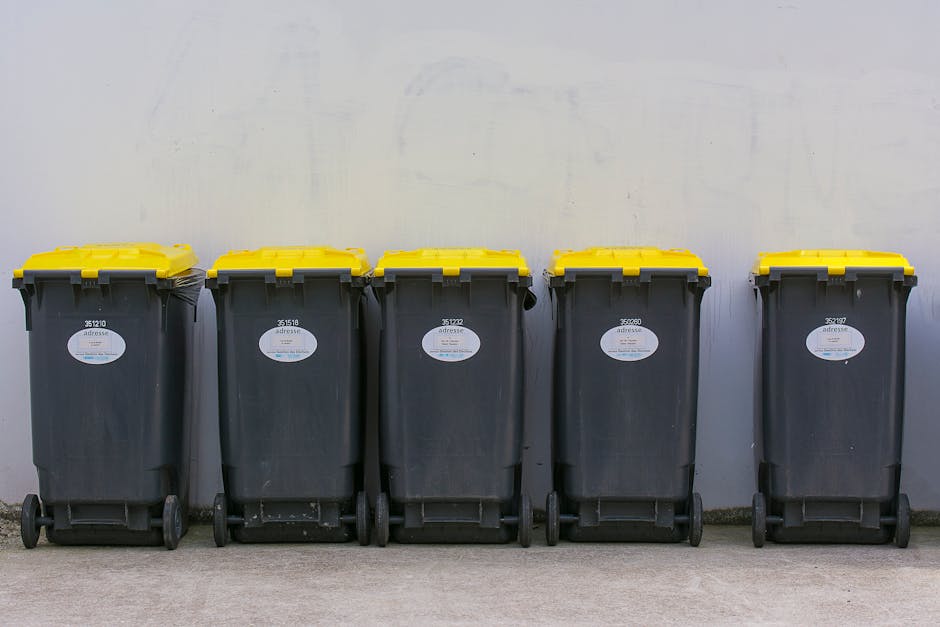
If you're planning a clear-out, renovation, office refresh, or garden tidy, one small bit of preparation can make the whole job smoother: separate waste streams before hiring a rubbish removal team. It sounds almost too simple, but it changes everything - from the quote you receive to how quickly the crew can load up and whether more of your waste gets recycled.
Truth be told, most delays and surprises happen before the truck even arrives. A mixed pile of rubble, cardboard, old furniture, metal, green waste, and a mystery bag or two is harder to price, slower to sort, and more likely to create avoidable waste. This guide walks you through why segregation matters, how to do it properly, what benefits to expect, and where people usually go wrong. If you want a cleaner process and fewer headaches on collection day, you're in the right place.
Why Separate waste streams before hiring a rubbish removal team Matters
Waste stream separation is simply the act of grouping similar waste types before collection. Instead of tossing everything into one heap, you sort items into categories such as general rubbish, wood, metal, green waste, cardboard, electricals, bulky items, and inert waste like rubble. That basic step gives the removal team a much clearer picture of what they're dealing with.
Why does that matter so much? Because rubbish removal isn't one single process. Different materials can require different handling, different disposal routes, and different recycling outcomes. A load that looks straightforward at a glance can become messy fast if there's concealed contamination, sharp material, or a heavy fraction that changes the weight and price. Nobody enjoys that conversation at the kerbside with a van idling outside.
There's also a practical side. Mixed waste takes longer to load, sort, and process at the other end. A crew that knows the waste is already separated can plan the right vehicle, the right crew size, and the right disposal method. That usually means less faffing about, fewer surprises, and a better chance that reusable or recyclable material doesn't end up treated as residual rubbish.
Key takeaway: the more clearly you separate your waste before booking, the easier it is for the removal team to price accurately, work efficiently, and route materials to the right disposal channel.
For households, landlords, trades, offices, and property managers, this is one of those small admin tasks that pays off quickly. It saves time, and to be fair, time is the thing everyone seems to be short of on a Friday afternoon.
How Separate waste streams before hiring a rubbish removal team Works
The process is straightforward, but it helps to think like the collection team. They need to understand what is being removed, how heavy it is, and whether any part of it needs special handling. Once you separate waste streams, the removal team can allocate the right vehicle space and disposal route more confidently.
In a typical domestic or small commercial job, the process looks like this:
- You identify the main waste types in advance.
- You group them into piles, boxes, or bags by material.
- You keep anything hazardous, sharp, or restricted separate and flag it early.
- The rubbish removal team reviews the load, either from photos, a site visit, or your description.
- Collection happens with less sorting on site and fewer unexpected hold-ups.
This matters even more when the waste is mixed with large or awkward items. For example, a sofa, a mattress, broken shelving, and a few bags of DIY debris are not the same as a single pile of old office paper. One load may need careful dismantling and separate disposal streams; the other may be straightforward bulk collection. The cleaner the separation, the easier the job becomes.
It also helps the removal team determine whether the material falls into common categories such as furniture removal, builders waste clearance, bulky waste collection, or recycling and rubbish handling. Those categories are not just labels. They affect how the load is handled, and sometimes what can be collected together safely.
In our experience, the best jobs are the ones where the customer has already done a rough first pass. Not perfection. Just enough order that the team can see the shape of the job without needing detective skills.
Key Benefits and Practical Advantages
There are several reasons to separate waste streams before hiring a rubbish removal team, and most of them are practical rather than theoretical. You'll notice the difference quickly, especially if the job is larger than a simple bin bag clear-out.
- More accurate quotes: when the load is clear, pricing is easier to estimate and less likely to change on arrival.
- Faster loading: sorted waste is easier to move and stack, which saves time on site.
- Better recycling potential: separable materials like metal, cardboard, wood, and green waste are easier to recover.
- Reduced contamination risk: clean streams are less likely to be downgraded or rejected at disposal points.
- Safer handling: broken glass, nails, batteries, and heavy rubble are easier to manage when they're isolated.
- Less disruption: crews can work more neatly, with fewer interruptions and less back-and-forth.
There's another subtle benefit too: it helps you think more clearly about what you're actually throwing away. That can lead to reuse, resale, donation, or targeted recycling before anything goes into a removal load. Often people realise half the garage doesn't need to be rubbish at all. Funny how that happens once you start sorting.
For commercial jobs, the upside can be even greater. Office paper, cardboard packaging, old IT kit, and general refuse are best handled separately where possible. Likewise, in home clearances, separating mattresses, furniture, white goods, and general clutter can make the removal cleaner and more cost-effective.
Who This Is For and When It Makes Sense
Separating waste streams is useful for almost anyone, but it's especially valuable in a few common situations.
Households doing a big clear-out
If you're clearing a loft, garage, shed, spare room, or the aftermath of a house move, the waste is usually mixed. Old toys, cardboard boxes, broken household items, and random odds and ends all end up in the same corner. Sorting them first makes the collection simpler and helps avoid paying for avoidable contamination.
Landlords and property managers
End-of-tenancy clearances often include broken furniture, clothing, food packaging, and household rubbish. If the property also has white goods or damaged fixtures, a separated load makes the job more predictable. It also helps when you need to demonstrate sensible disposal practice, especially on repeat jobs.
Tradespeople and renovation projects
Builders waste is rarely a neat pile. There may be plasterboard, timber, tiles, packaging, insulation offcuts, and general site rubbish. Separating material types before booking a builders waste clearance can make a big difference to how efficiently the team works and how the waste is handled afterwards.
Offices and commercial premises
Office clearances often involve paper archives, filing cabinets, chairs, monitors, cables, and packaging. Keeping e-waste, paper, and furniture separate is usually the sensible approach. If your premises needs broader support, pages such as office clearance and commercial waste collection are useful starting points.
Anyone trying to reduce waste and cost
If you dislike waste going where it doesn't need to go, separation is the obvious move. It suits people who want a tidier job, better recycling outcomes, and fewer surprises. Simple as that.
Step-by-Step Guidance
Here's a practical way to prepare before the rubbish removal team arrives. Nothing fancy. Just a clear, repeatable process you can use whether you're clearing a flat, a shop storeroom, or a back garden after a damp weekend of tidying.
1. Walk the site and identify the waste types
Start with a quick scan of the area. Separate what is obviously general rubbish from what is bulky, recyclable, reusable, or potentially restricted. Look for mixed piles, hidden bags, and anything heavy. If there's dust, damp cardboard, or muddy garden waste, note that too because it can affect handling.
2. Pull out special categories early
Set aside items that need extra attention: batteries, paint tins, gas bottles, electrical equipment, fluorescent tubes, fridges, and anything sharp or leaking. These should not be mixed into a general skip-style pile without checking first. Some items may need a dedicated collection method or specialist handling.
3. Create clearly labelled piles
Use labels, coloured bags, tape, or even simple handwritten signs. You don't need a warehouse system. Just enough to make the pile obvious at a glance. For example: cardboard, metals, wood, garden waste, furniture, and mixed residual rubbish.
4. Keep heavy and fragile items separate
Rubble, soil, bricks, and tiles are very different from sofas, books, and packaging. If you mix them, the load becomes awkward and can affect access, carrying, and pricing. Heavy waste also needs careful stacking so it doesn't crush lighter materials.
5. Take photos before booking
A few clear photos can help a rubbish removal team understand the job properly. Get shots from different angles, plus close-ups of odd items. If the pile is spread across rooms, don't hide the messy bits. The muddy corner by the shed counts too.
6. Ask what can be combined
Some materials can travel together, while others really shouldn't. Ask the team what separation they prefer. A good operator will tell you whether mixed recycling is acceptable, whether certain items need to be isolated, and how they prefer bulky items presented on the day.
7. Leave a clear access route
Even the best-prepared waste can become a hassle if the crew has to weave through bikes, plant pots, wet shoes, and a narrow hallway. Clear the route from the pile to the exit. It sounds obvious, but, well, you'd be surprised.
8. Confirm the final load on the day
Before collection starts, walk the team through the separated piles and point out anything that changed since your photos. A minute spent here can save fifteen later.
Expert Tips for Better Results
A few experienced habits make the process noticeably smoother. These are the kinds of small details people often skip, then regret later when the load is bigger, heavier, or more mixed than expected.
- Separate by disposal route, not just by appearance. Two items may look alike but need different handling. For example, a wooden chair and a metal chair frame are not the same for sorting purposes.
- Keep recyclables clean where possible. A cardboard box with food residue or wet plaster inside is much less useful than a clean one.
- Break down large items before collection. Flat-pack furniture, cardboard, and some shelving take up far less space when dismantled safely.
- Do a final sweep for hidden waste. Under sinks, behind cupboards, and in drawers often turns up extra items. Classic, really.
- Tell the team about access issues early. Narrow stairwells, limited parking, or shared entrances can affect the job plan.
- Use one "unsure" pile. If you cannot identify an item, keep it out of the main streams and ask about it separately.
A useful rule of thumb: if an item might contaminate a cleaner stream, isolate it. One greasy bag in a cardboard pile can spoil the lot. That's not being precious; it's just practical.
If you are clearing a London property, access and timing matter as much as the waste itself. A busy street, basement flat, or shared entrance can add friction, so being organised ahead of time really pays off around 8am when the crew arrives and the street is already alive with delivery vans.
Common Mistakes to Avoid
Even organised people make a few avoidable errors when preparing waste for collection. Here are the most common ones.
- Mixing everything "to save time": this usually makes collection slower and less efficient.
- Hiding heavy waste under light waste: it creates inaccurate estimates and awkward loading.
- Leaving hazardous items unmarked: this can create safety issues and may delay the job.
- Assuming all recyclables are accepted together: some streams need to stay separate.
- Forgetting about access and parking: a sorted load still needs a workable pickup point.
- Not mentioning damp, damaged, or contaminated materials: these can affect the way the waste is handled.
Another common mistake is overthinking it. You do not need museum-level categorisation. You just need sensible grouping and honest communication. Good enough is often very good indeed.
And yes, one rogue bag can cause more fuss than you'd expect. Waste management has a habit of being very normal right up until it isn't.
Tools, Resources and Recommendations
You don't need special equipment to separate waste streams, but a few simple tools make the job easier and neater.
| Tool | What it helps with | Best use |
|---|---|---|
| Heavy-duty bags | Grouping loose rubbish safely | General waste, soft items, light mixed materials |
| Boxes or crates | Keeping smaller items together | Paper, cables, fixings, small hardware |
| Marker pens and labels | Showing what each pile contains | When multiple streams are being prepared |
| Tape or coloured tags | Quick visual identification | Busy sites, offices, and property clearances |
| Gloves and sturdy footwear | Basic safety during sorting | All waste handling, especially sharp or dusty items |
| Phone camera | Documenting the waste for quotes | Before booking and before collection day |
Useful service pages on this site can also help you decide how to categorise the load. For example, recycling and rubbish is a helpful fit when you want to understand what can be recovered, while waste recycling and recycling and sustainability are relevant if your priority is reducing what goes to disposal.
For larger household jobs, it may also help to look at house clearance, flat clearance, or home clearance. Those pages can give you a better sense of the type of collection that matches your situation.
Law, Compliance, Standards, or Best Practice
Waste handling in the UK is not something to treat casually. You do not need to become a legal expert just to book a collection, but you should understand the broad expectations. Waste should be passed to a legitimate, appropriately managed operator, and hazardous or restricted items must be dealt with carefully. If in doubt, ask before collection rather than guessing on the day.
For homeowners, the main practical point is simple: don't hand over waste blindly. Make sure you understand what's being taken, especially for items like fridges, electricals, mattresses, paint, chemicals, or anything that may have special handling requirements. For businesses, there is usually a stronger duty to keep waste managed sensibly and to retain clear records where relevant. A reputable operator should be able to explain their process in plain English.
Best practice also means avoiding contamination. Mixing clean recyclable material with dirty or unsuitable waste reduces the chance of recovery. In real terms, that can mean cardboard, metal, wood, and green waste are all better treated as separate streams where possible rather than dumped into one all-purpose pile.
If you want to check how a provider approaches responsible handling, look for clear service information on pages such as waste disposal, waste removal, waste clearance, and insurance and safety. Those aren't legal substitutes, of course, but they do signal whether a company is thinking properly about the job.
If you're uncertain about an item, err on the side of caution. That sounds boring, but boring is good when it comes to waste handling.
Options, Methods, or Comparison Table
There are a few ways to prepare waste before hiring a rubbish removal team. The best method depends on the size of the job, the mix of materials, and how much time you have.
| Method | Best for | Advantages | Limitations |
|---|---|---|---|
| No sorting at all | Very small, simple loads | Quickest in the short term | Harder to quote, less efficient, more contamination risk |
| Basic separation by material | Most domestic and light commercial jobs | Balanced effort and strong practical payoff | Needs a bit of prep and attention |
| Detailed stream separation | Large clear-outs, offices, renovation waste | Best for pricing clarity and recycling potential | Takes more upfront organisation |
| Specialist handling only | Hazardous or unusual items | Safer for restricted materials | May require a separate collection or extra arrangement |
For most people, the sweet spot is basic separation by material, with special items isolated. That gives enough structure to help the removal team without turning your home into a sorting depot. No one needs that drama.
Case Study or Real-World Example
A common example is a small London flat clearance after a move. The property contains a broken wardrobe, a mattress, several black bags of mixed clutter, cardboard boxes, a small TV, and a few kitchen items. At first glance it looks like one load. But once sorted, the job becomes much clearer: furniture, mattress, cardboard, electrical item, and general rubbish.
That simple separation changes the whole job. The crew knows which items are bulky, which are recyclable, and which need careful handling. The customer gets a more accurate expectation, the collection feels more controlled, and the flat is cleared without the awkward mid-job pause where everyone is standing around wondering what that box of tangled cables actually is.
Now imagine the same flat but with a bag of rubble from a DIY shelf removal mixed into the soft furnishings. Different story. The weight changes, the handling changes, and the disposal route may change too. Separating waste streams before the team arrives keeps those surprises to a minimum.
We see the same pattern with garden jobs. A tidy pile of branches, grass cuttings, and hedge trimmings is easy to remove. Add broken pots, soil, old patio pieces, and general household waste, and the load becomes more complicated. Sorting first saves time and usually makes the whole thing feel much less chaotic.
Practical Checklist
Use this quick checklist before your rubbish removal team arrives.
- Identify the main waste streams in the property or site.
- Separate general rubbish from recyclables where possible.
- Keep furniture, mattresses, and bulky items apart from loose bags.
- Isolate heavy materials like rubble, bricks, or soil.
- Set aside electricals, batteries, paint, and any potentially restricted items.
- Label or group each pile clearly.
- Take photos for quoting and record-keeping.
- Check access, parking, stairwells, and collection points.
- Tell the removal team about anything unusual or potentially hazardous.
- Leave the route to the waste clear and easy to move through.
If you can tick off most of the list, you're in good shape. If not, don't panic - even partial sorting makes a difference.
Conclusion
Separating waste streams before hiring a rubbish removal team is one of those small, sensible steps that pays for itself in reduced stress, better pricing clarity, smoother loading, and stronger recycling outcomes. It is not about being overly tidy for the sake of it. It is about making the collection easier, safer, and more efficient for everyone involved.
Whether you're clearing a flat, managing an office, tidying a garden, or dealing with renovation debris, a little organisation goes a long way. Separate the waste, flag the odd items, and give the team a clear picture of what they're walking into. That's usually enough to turn a messy job into a straightforward one.
Get a free quote today and see how much you can save.
And if nothing else, you'll enjoy that satisfying moment when the piles are finally in the right place. Small win, but a real one.
Frequently Asked Questions
Do I really need to separate waste before booking a rubbish removal team?
You don't always need a perfect sorting system, but basic separation helps a lot. It makes quoting easier, improves handling, and can reduce the chance of recyclable material being treated as mixed rubbish.
What waste streams should I separate first?
Start with the obvious categories: general rubbish, furniture, cardboard, metal, green waste, rubble, and electrical items. If you have anything unusual, keep it aside and mention it separately.
Will separating waste reduce the cost of rubbish removal?
It often can, because a clearer load is easier to estimate and quicker to handle. The exact price depends on volume, weight, access, and the type of material, so it's best to treat savings as possible rather than guaranteed.
What happens if I mix everything together?
The team may still be able to collect it, but the job can take longer and may be harder to price accurately. Mixed loads also make recycling more difficult and can increase the chance of disposal complications.
Can furniture and general rubbish go in the same load?
Sometimes yes, but it depends on the provider and the type of furniture. Large items are often easier to manage when separated from loose waste, especially if they need dismantling or careful lifting.
Should I separate garden waste from household waste?
Yes, if you can. Green waste such as branches, grass, and hedge cuttings is often easier to process separately from household rubbish, soil, pots, and broken garden furniture.
What about electrical items like TVs, toasters, or cables?
Keep them separate if possible. Electrical items are commonly handled differently from ordinary rubbish, and cables or small appliances can create unnecessary contamination in a mixed pile.
Do I need to bag everything before the team arrives?
No, not everything. But bagging small loose items helps keep the job tidy and easier to move. Bigger objects such as furniture, sheets of wood, or bulky waste can usually be left separate and ready for loading.
What should I do with batteries, paint, or chemicals?
Do not mix them into a general rubbish pile. Set them aside and ask the removal team how they prefer to handle them. These items can require special care and should be discussed before collection day.
Is it worth separating waste for a small job?
Yes, even small jobs can benefit. A simple split between general rubbish, recyclable items, and bulky pieces makes the collection clearer and usually saves a bit of time.
How much preparation is enough?
Enough to show what the waste is and where it belongs. You don't need to sort everything into perfect categories. Aim for practical separation, clear access, and honest communication about anything unusual.
What if I'm not sure how to classify an item?
Put it in an "unsure" pile and mention it when you request a quote. That's better than guessing and accidentally contaminating a cleaner waste stream.
Can a rubbish removal team help me sort on the day?
Many teams can help with last-minute sorting, but it is usually quicker and more efficient if most of the grouping is already done. That said, a good team should still be able to advise you on what can and can't go together.