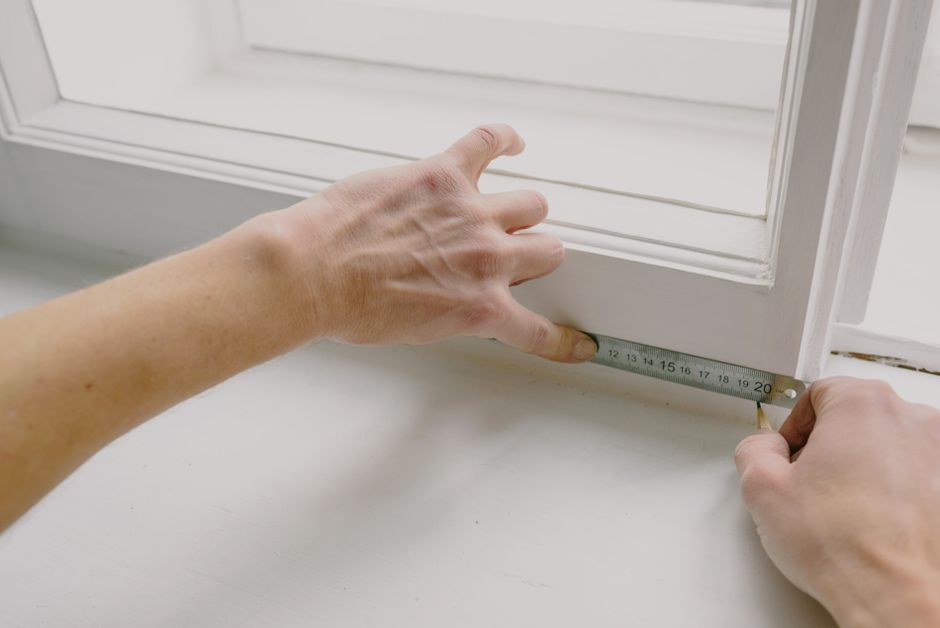
Measure bulky items for accurate rubbish removal quotes
If you have ever stared at a sofa in the hallway or a fridge wedged into a tight utility room and thought, "How on earth do I price this properly?", you are in the right place. To measure bulky items for accurate rubbish removal quotes is not just about getting numbers on a tape measure. It is about avoiding surprise charges, making collection easier, and helping the removal team turn up with the right vehicle, crew, and timing. Truth be told, a few minutes of measuring can save a lot of back-and-forth later.
In this guide, we will walk through what to measure, why it matters, how quoting usually works, and where people often go wrong. You will also find practical tips, a checklist, a comparison table, and a real-world example to make the whole thing feel a lot less fiddly. Let's face it, bulky waste is awkward enough without the quote being guesswork.
For related services and pricing context, you may also find pricing and quotes useful, especially if you are comparing options for furniture, appliances, or general household clearances.
Table of Contents
- Why measuring bulky items matters
- How the measuring and quoting process works
- Key benefits and practical advantages
- Who this is for and when it makes sense
- Step-by-step guidance
- Expert tips for better results
- Common mistakes to avoid
- Tools, resources and recommendations
- Law, compliance, standards, or best practice
- Options, methods, or comparison table
- Case study or real-world example
- Practical checklist
- Conclusion
- Frequently asked questions
Why Measure bulky items for accurate rubbish removal quotes Matters
Accurate measuring sounds basic, but it sits at the heart of a fair rubbish removal quote. Bulky items are rarely priced like a simple bin bag or a small load. A sofa, mattress, wardrobe, exercise bike, fridge, or broken desk takes up space, needs lifting, and may need extra handling because of stairs, narrow entrances, or heavy materials.
When a company quotes for bulky waste, it is usually trying to estimate three things: how much space the item will take in the truck, how much labour it will need, and how difficult access will be. If your measurements are rough, the quote can be too low at first and then corrected later. That is not always anyone's fault. A "large wardrobe" can mean very different things in real life.
Here is the practical bit. A measured item gives a clearer picture than a vague description. If you say "large corner sofa" but do not mention the length of each section, whether it is one piece or two, or whether it must be carried down two flights of stairs, the quote is mostly a best guess. And best guesses are fine for an online chat. Less fine on collection day.
This is especially helpful in London, where access can be tight, parking can be awkward, and communal entrances are not always simple. A well-measured bulky item helps the team plan properly and keeps the job moving smoothly. No one wants to be dragging a wardrobe around a stairwell while somebody mutters about whether it will fit through the door. Been there, seen that.
For bulky waste specifically, you may also want to compare related collection types like bulky waste collection and large item collection, because the right service can depend on item size, number of pieces, and access conditions.
How Measure bulky items for accurate rubbish removal quotes Works
The process is usually straightforward. You measure the item, describe access, share photos if asked, and receive a quote based on volume, weight, item type, and collection conditions. In many cases, rubbish removal companies will quote by load size rather than by the exact centimetre. Still, measurements make that estimate much more reliable.
Think of it like this: measurements are the language the collector uses to translate your item into space and effort. A sofa that is 220 cm long and 95 cm deep is a very different proposition from a two-seater armchair. A washing machine is a different job again because of weight and handling. A quick tape measure reading removes a lot of ambiguity.
Most accurate quotes come from a mix of:
- item dimensions
- number of items
- estimated volume or load size
- location in the property
- staircase, lift, or parking access
- special handling needs, such as dismantling or appliance recycling
That is why a quote based only on "one big item" can be shaky. A bulky item may be large but light, or compact but incredibly heavy. The quote needs both shape and context.
If you are clearing a room rather than a single item, it can help to look at furniture clearance or home clearance options, since multi-item jobs often price differently from one-off pickups.
What should you measure?
At minimum, measure the height, width, and depth of each bulky item. For awkward pieces, also measure:
- the longest side
- the widest point, including arms or handles
- the tallest point, including backrests or feet
- any detachable parts
- clearance around the item if it is built in or fixed in a tight space
If the item can be broken down, note that too. A flat-pack wardrobe in pieces is a very different job from a wardrobe still fully assembled. Obvious, yes, but easy to overlook when you are standing in a cluttered room with a phone in one hand and the kettle boiling in the background.
Key Benefits and Practical Advantages
Measuring bulky items properly gives you more than a quote. It gives you better control over the whole removal process.
- Fewer surprises on price - the more precise the item details, the less likely you are to face an awkward adjustment later.
- Better crew planning - the company can send enough people and the right vehicle.
- Smoother access planning - stairs, lifts, parking, and doorway width can be considered in advance.
- Faster collection day - the team is less likely to waste time checking sizes and reworking the plan.
- Safer lifting - heavy or oddly shaped items can be handled with the right equipment and technique.
- Clearer comparison between providers - like-for-like quotes are easier to compare when item measurements are included.
There is a quieter advantage too: measuring helps you decide whether to use rubbish removal, council collection, or another disposal route. If one item is very large but straightforward, a private collection might be the neatest solution. If it is a common household item and you are not in a rush, you may also want to explore council large item collection or council rubbish collection depending on your local process and timing.
Expert summary: The best rubbish removal quotes come from clear measurements plus honest access details. Size alone is not enough. The quote gets better when the team knows what the item is, where it is, and how it needs to come out.
Who This Is For and When It Makes Sense
This approach is useful for almost anyone disposing of bulky waste, but it matters most if you are dealing with items that are heavy, awkward, or costly to remove incorrectly.
You will benefit most if you are:
- clearing out a single large item like a sofa, mattress, or fridge
- moving multiple bulky pieces from a flat, house, garage, or loft
- comparing removal quotes and want a fair comparison
- trying to avoid overpaying for "estimated" space
- planning a renovation or end-of-tenancy clearance
- organising a property clearance after a sale, probate, or move
It also makes sense when access is tricky. Narrow hallways, split-level homes, top-floor flats, basement rooms, limited parking, and no lift access can all affect the final job. A quote without that information is like measuring a door without checking the frame. Close, but not quite.
For larger household or estate-style jobs, see whether a broader service such as house clearance, probate clearance, or property clearance fits your situation better than booking each item separately.
Step-by-Step Guidance
1. Identify the bulky item clearly
Start by naming the item properly. "Chair" is not as helpful as "three-seater fabric sofa with wooden frame" or "American-style fridge freezer." The more exact you are, the easier it is to price correctly. If there are multiple pieces, list them individually.
2. Measure height, width, and depth
Use a tape measure and record the overall size at the widest points. For sofas, include arms and cushions if they are fixed. For wardrobes, include top moulding or feet. For beds, measure the frame and mattress separately if both are being removed.
3. Note whether it is solid, dismantled, or dismantleable
This matters more than people expect. A dismantled item often takes up less load space, but it can also mean extra time for disassembly. If you can take something apart yourself, mention it. If not, say so. No drama. It just changes the quote.
4. Check access from the item to the collection point
Look at staircases, lifts, door widths, corners, and the distance to the vehicle. If the item is on an upper floor, mention that. If parking is restricted or there is no nearby loading space, say that too. A team that knows in advance can prepare properly and usually works more efficiently.
5. Take clear photos from more than one angle
Photos are not a replacement for measuring, but they help hugely. Try to show the item in context. A photo of the sofa in the room tells the story better than a close-up of the armrest. Include any damage, missing parts, attached cables, or built-in fittings if relevant.
6. Mention any special materials or hazards
Some bulky items need extra care or specific disposal routes. For example, fridges and freezers may need appliance handling, while items with electrical components, sharp edges, or damp damage may need extra caution. If the item has been exposed to pests, mould, or contamination, say so early. Better awkward now than awkward later.
7. Ask what the quote includes
Check whether the quote includes labour, loading, disposal, recycling, and VAT if applicable. A clear quote should tell you what is included and what could change the price. If it feels vague, ask for clarification. A good provider should not mind.
8. Compare more than price alone
Two quotes can look similar but mean very different things. One may assume ground-floor access and curbside loading, while another includes carrying items from an upstairs flat. That is why measuring bulky items is only half the job. Understanding the assumptions behind the quote is the other half.
Expert Tips for Better Results
After handling enough clearance jobs, a few patterns become obvious. The quote is rarely wrong because of one giant mistake. More often, it is off because of several small assumptions stacking up.
- Measure from the biggest points - do not measure the "average" width of a lumpy item. Use the widest part, always.
- Measure in centimetres - that is standard and helps avoid confusion.
- Include packaging if it stays on - cardboard, wrapping, or straps can change the size slightly.
- Account for awkward shapes - L-shaped sofas, recliners, corner desks, and exercise equipment often need more space than they first appear to.
- Be honest about condition - broken items can be heavier, messier, or less stable than intact ones.
- Check the route out - sometimes the item is fine, but the turn in the hallway is the issue. That little detail matters.
One practical trick: stand where the item will need to pass through and look at the route like you are carrying it yourself. If there is a tight bend, low ceiling, or awkward internal door, mention it. It takes ten seconds and can save a headache later.
If the bulky waste includes mixed materials, sorting them in advance can help. You can also compare broader waste handling info on recycling and rubbish or waste recycling if you want to make disposal a bit more efficient and responsible.
Common Mistakes to Avoid
People usually do not get measuring wrong because they are careless. They get it wrong because bulky waste is oddly deceptive. A sofa looks like one thing. A tape measure tells the truth.
- Guessing instead of measuring - "about six foot" is not enough for a proper quote.
- Ignoring depth - width alone can hide how much space an item really takes.
- Forgetting removable parts - legs, headboards, doors, shelves, and drawers all matter.
- Leaving out access details - a top-floor flat with no lift is very different from a driveway pickup.
- Not mentioning extra items - one sofa and two armchairs is not the same as one sofa.
- Assuming all bulky items are priced the same - they are not. Materials and handling needs vary.
- Using the dimensions of the box instead of the item - unless the box is what will be collected, measure the object itself.
A particularly common one? People say, "It's only a small bit bigger than normal." That phrase has probably caused more pricing confusion than it should. Small bit. Big difference. Funny how that works.
Tools, Resources and Recommendations
You do not need specialist equipment to get a good measurement, but a few basic tools make the job easier.
- Tape measure - a standard retractable tape is usually enough.
- Phone camera - take multiple photos in decent light.
- Notepad or notes app - write dimensions down straight away.
- Step stool - useful for checking height on tall wardrobes or cupboards.
- Spirit level or straight edge - handy when measuring odd-shaped items with sloping tops.
- Masking tape - can help mark dimensions on the floor if you are comparing items or planning a route.
For certain household items, specialist pages can help you understand the likely handling route. For example, sofa removal and collection, mattress removal and collection, and fridge disposal are all useful references if your bulky item falls into one of those categories.
If you are comparing a few disposal routes, check whether you need a one-off pickup or a more complete service like waste removal or rubbish removal. The terms overlap in everyday speech, but the service scope can differ a little.
Law, Compliance, Standards, or Best Practice
For householders, the main thing is to make sure the waste goes to a lawful, licensed route and that the provider is upfront about what happens to the items. You do not need to become an expert in waste legislation just to remove an old sofa, but it is sensible to ask a few basic questions.
In the UK, waste duty of care principles mean waste should be passed to the right people and handled responsibly. In plain English: do not hand your bulky items to someone who cannot explain where they are taking them. If a quote is unusually cheap and vague, that is a small red flag. Not always, but often enough to be worth a closer look.
Good practice usually includes:
- clear item descriptions and honest measurements
- safe lifting and access planning
- separation of reusable, recyclable, and residual waste where practical
- transparent pricing and no hidden extras
- appropriate handling of electricals, fridges, mattresses, and other specific waste types
If you are removing commercial bulky items, the standards become even more important. Offices, shops, and landlords may need records, access planning, and a scheduled pickup that avoids disruption. In those cases, services like business waste removal, commercial waste collection, and office clearance may be more appropriate than a simple domestic pickup.
One practical note: if an item contains refrigerants, electrical components, or other specialist materials, disposal may need extra handling. You do not need to diagnose every material yourself, but you should mention what the item is and whether it still works. That is usually enough to keep the quote accurate.
Options, Methods, or Comparison Table
There is no single "best" way to get a rubbish removal quote for bulky items. The right method depends on how accurate you want the pricing to be, how much time you have, and how awkward the item is.
| Method | How it works | Best for | Limitations |
|---|---|---|---|
| Approximate description only | You describe the item in words | Very simple, low-risk items | Can lead to vague quotes and changes later |
| Dimensions + photos | You measure the item and send pictures | Most household bulky items | Still depends on honest access details |
| Site visit or viewing | The provider inspects the item in person | Large, awkward, or multi-item clearances | Takes more time and may not suit urgent jobs |
| Room-by-room inventory | You list everything to be removed | House clearance, probate, or office clearance | More admin upfront, but usually more accurate |
For most people, dimensions plus photos is the sweet spot. It is quick, realistic, and detailed enough to avoid most misunderstandings. If the job involves several bulky pieces, you may want to compare it against house clearances or office clearances, because those services are designed for bigger inventories rather than single-item removals.
Case Study or Real-World Example
Here is a simple example from a very typical job. A customer needed an old corner sofa removed from a second-floor flat in London. At first, they described it as "one large sofa." Reasonable enough. But when they measured it, they found the two sections were different sizes, one side was 225 cm long, and the hallway had a tight turn near the front door.
That changed the quote in a useful way. The collection team could see it would need two people, a careful turn at the landing, and a slightly longer loading window. Because the customer had provided measurements and a clear photo, the quote was accurate from the start. No awkward calls. No surprise on arrival. Just a smoother job all round.
Another example: a broken wardrobe stored in a garage looked "smallish" in person, but once measured it turned out to be too tall to fit upright through the internal door. The team planned to dismantle it before collection. That tiny bit of information saved time and avoided a messy rework on the day.
That is really the point. Measurements turn a vague object into a manageable job.
Practical Checklist
Use this quick checklist before requesting a quote for any bulky item:
- Have I measured the height, width, and depth?
- Have I noted the item type clearly?
- Have I included the number of pieces?
- Have I checked whether it can be dismantled?
- Have I taken clear photos from more than one angle?
- Have I checked the route out of the property?
- Have I mentioned stairs, lifts, parking, or access issues?
- Have I included any extra items or attachments?
- Have I said whether the item is damaged, broken, or heavy?
- Have I asked what the quote includes?
If you can tick all of those off, your quote is likely to be far more accurate. And yes, it feels a bit fussy the first time. After that, it becomes second nature.
Conclusion
Measuring bulky items properly is one of the easiest ways to get a fair rubbish removal quote and avoid unnecessary stress. It improves pricing, speeds up collection, and helps everyone plan the job properly. Whether you are moving a sofa, clearing a mattress, or arranging removal for a heavy appliance, a few accurate measurements can make the whole process smoother and more predictable.
The main thing is not perfection. It is clarity. Measure the item, describe the access, share a photo, and ask what is included. That combination usually gets you a quote you can trust, which is what most people actually want, after all.
If your bulky waste is part of a bigger clearance, it may be worth looking at broader services such as rubbish clearance, waste clearance, or even a more specific collection option depending on the item and your property layout. A little planning now tends to pay off later. Quietly, but properly.
Get a free quote today and see how much you can save.
And if you are still standing in front of that awkward old wardrobe, tape measure in hand, you are already halfway there.
Frequently Asked Questions
What measurements do I need for a bulky item quote?
Measure the height, width, and depth of the item at its widest points. If it has arms, feet, doors, or detachable parts, include those too. The goal is to give a clear picture of the space it will take and how easy it will be to move.
Do I need to measure every item individually?
Yes, if you want the most accurate quote. Even similar-looking items can vary in size and weight. A sofa, armchair, and footstool may all be classed as furniture, but they do not take up the same amount of space in the vehicle.
Are photos as useful as measurements?
Photos help a lot, but they do not replace measurements. A picture shows shape, condition, and access, while measurements tell the provider how much room the item takes. The best quotes usually use both.
What if my item is difficult to move or lives upstairs?
Say so upfront. Stairs, lifts, narrow halls, and long carry distances can affect the quote because they change the labour involved. It is better to mention a tricky access route early than to explain it on the day.
Can I use estimated measurements instead of exact ones?
You can, but exact measurements are always better. Estimates are fine for an initial enquiry, yet even a small difference can change how the job is priced or planned. If possible, use a tape measure rather than a guess.
What bulky items usually need special handling?
Fridges, freezers, mattresses, large wardrobes, corner sofas, pianos, exercise equipment, and heavy office furniture often need extra care. Some items also have recycling or disposal requirements that make accurate description especially useful.
Why do quotes sometimes change after an item is measured properly?
Because the initial estimate may not have reflected the true volume, weight, or access conditions. Once the item is measured, the provider can give a better price based on the actual job rather than a rough description.
Is bulky item removal cheaper than council collection?
Not always. It depends on the item, your location, how quickly you need it removed, and whether the job includes lifting from inside the property. Council options can suit some households, while private collection may be better for speed, access, or multiple items.
Should I dismantle the item before requesting a quote?
Only if you can do so safely and you want to reduce the load size. If you are not sure, mention that the item can be dismantled but has not been yet. That gives the provider room to price it properly.
What details should I include besides the measurements?
Include the item type, number of pieces, condition, access route, stairs or lift access, parking situation, and any special issues like damp, pests, or broken parts. Those details matter just as much as the size in many cases.
How accurate do bulky item measurements need to be?
They do not need to be perfect to the millimetre. Centimetre-level measurements are usually enough for a reliable quote. The main aim is to avoid rough guesses that leave too much room for misunderstanding.
What is the easiest way to measure a large sofa or wardrobe?
Use a tape measure and take the widest, tallest, and deepest points. For sofas, measure along the outside edges and include arms. For wardrobes, measure the full height to the top and the widest point across the front.
Do I need to mention recycling or disposal preferences?
If you have a preference, yes. It can help the provider understand how to handle the item. Some bulky goods can be recycled or separated more easily than others, so giving that context is useful.
What should I do if I am still unsure about the size?
Take a photo with a familiar object for scale, like a door, chair, or tape measure in shot, and ask for guidance. A decent provider can usually work from that plus a rough dimension. It is better to ask than to wing it.